
Hockey games are known for loud crowds, fast action, and freezing-looking ice, so a lot of first-time fans wonder if hockey games are actually cold.
The short answer is yes, but probably not as cold as you imagine.
Some arenas feel chilly the moment you walk in, while others are surprisingly comfortable after a few minutes. Your seat location, the type of rink, and even the size of the crowd can all make a difference.
In this guide, we’ll break down how cold hockey games really are, and how to stay comfortable from puck drop to the final buzzer.
Hockey Games Are Cold
Yes, hockey games are definitely cold compared to most other indoor sporting events.
That is usually the very first thing people notice when they walk into an arena for the first time.
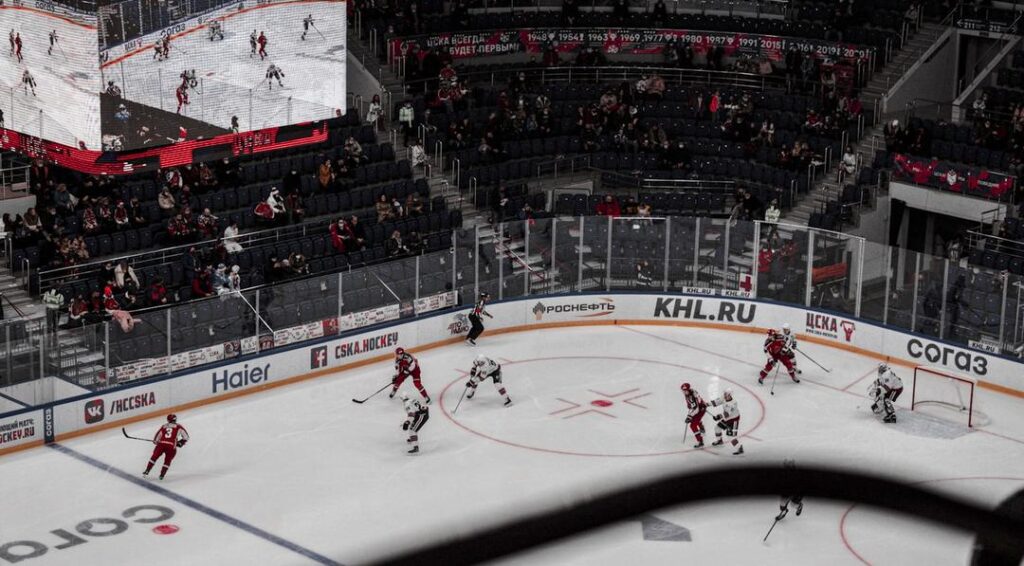
The air feels crisp, the ice stretches across the entire rink, and you can instantly tell the temperature is lower than a basketball court or concert venue.
Still, “cold” can mean different things depending on the arena and where you sit. Most indoor hockey arenas stay around 60 to 65 degrees Fahrenheit so the ice stays frozen and smooth during the game.
Down near the rink, it can feel even cooler because cold air naturally settles lower to the ground.
The good news is that hockey games usually are not unbearably freezing. You are not sitting in a snowstorm. A hoodie, light jacket, or layered outfit normally keeps most people perfectly comfortable for the entire game.
Also Read: How To Tell If Your Kid Is Good At Hockey?
Does Seat Location Make A Difference?
Yes, your seat location can completely change how cold the game feels. Two people inside the same arena can have very different experiences depending on where they are sitting.
Seats Close To The Ice
Seats right next to the rink feel the coldest by far. You are only a few feet away from a giant sheet of ice, and you can feel that cool air almost immediately.
Some fans love it because it adds to the authentic hockey atmosphere.
Glass panels around the rink also help trap some of that colder air near the lower seating areas. Add in the airflow from arena ventilation systems, and the temperature can feel surprisingly chilly during long games.
If you plan on sitting close to the ice, layering is usually the best approach. A hoodie under a light jacket tends to work really well for most people.
Middle And Upper Sections
Higher seats usually feel much warmer and more comfortable. You are farther away from the ice surface, and body heat from the crowd makes a noticeable difference too.
Many fans sitting in upper sections end up taking their jackets off after a while because the temperature feels more like a regular indoor arena. That is especially true during packed games with loud crowds and lots of movement around the building.
So if you dislike cold environments, sitting farther from the rink can make the experience much more enjoyable.
Also Read: How To Maintain Ice Skates
Are Kids More Sensitive To The Cold?
Kids usually feel the cold faster than adults, especially during longer games. Younger children often sit still for long periods, which makes it easier for them to get chilly over time.
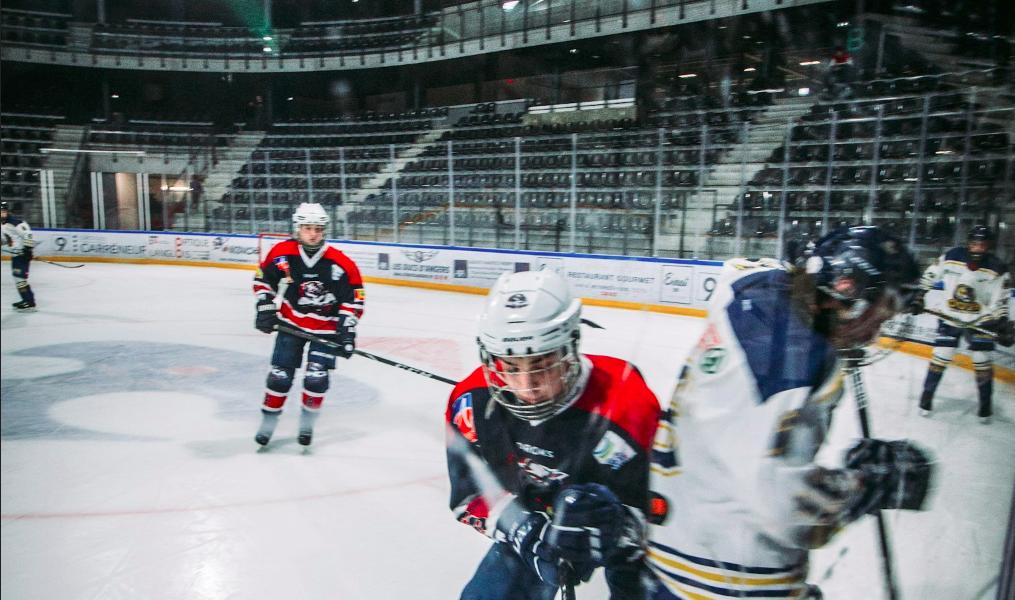
That does not mean hockey games are a bad idea for families though.
Most parents simply prepare ahead with an extra hoodie, blanket, or warm socks. Once kids get caught up in the excitement of the crowd, music, snacks, and action on the ice, they often stop paying attention to the temperature entirely.
Babies and toddlers may need a little more preparation since they are more sensitive to cooler environments.
In those situations, dressing them in layers works best because you can always remove something if they get too warm later in the game.
Do Different Hockey Leagues Have Different Temperatures?
Yes, the type of hockey league can make a pretty big difference in how cold the arena feels. Some venues are modern and climate-controlled, while others feel more like giant refrigerators.
NHL Games
Professional arenas in the National Hockey League usually do a great job balancing comfort and ice quality. These buildings are designed for massive crowds, concerts, and major events, so temperature control systems are much more advanced.
Even though NHL games still feel cool, most fans find them comfortable with normal winter casual clothing.
You rarely see people bundled up in heavy coats indoors at professional games.
The atmosphere also helps. NHL arenas are loud, energetic, and packed with people, so you naturally feel warmer once the game starts moving.
Minor League And Local Rinks
Smaller arenas and community rinks often feel colder than NHL buildings. Many local rinks have simpler cooling systems (that costs less – see AC Prices) and less insulation, so the cold air becomes much more noticeable.
Some local hockey arenas almost feel like indoor winter spaces. Parents sitting through youth hockey tournaments usually know this very well.
It is common to see people wearing beanies, gloves, and thicker jackets at smaller rinks.
If you are attending a local game for the first time, bringing an extra layer is always a good idea. It is easier to take something off than spend three hours shivering in your seat.
Outdoor Hockey Games
Outdoor hockey games are on another level entirely. These events can get seriously cold depending on the city and time of year.
Special outdoor games played in football stadiums or open-air venues create an amazing atmosphere, but fans often dress like they are heading into winter weather for several hours.
Hats, gloves, scarves, insulated boots, and heavy jackets become necessary instead of optional.
That said, outdoor hockey games also create some of the coolest experiences in sports.
Tips To Stay Comfortable During A Hockey Game
You do not need survival gear for a hockey game, but a little preparation definitely helps. Most fans stay perfectly comfortable with a few simple choices before leaving home.
- Wear layers instead of one heavy coat
- Bring a hoodie or light jacket even if it is warm outside
- Wear closed shoes instead of sandals
- Keep a beanie or cap handy for colder arenas
- Avoid dressing too lightly for night games
One smart move is dressing in layers you can easily remove. Arenas can feel cold when you first arrive, then warmer once the crowd fills in and the game gets going.
Also Read: Best Ice Hockey Skate Brands
Walking around during intermissions also helps.
Are Hockey Games Too Cold For Non-Fans?
Not really. Many people who are not huge hockey fans still end up enjoying the experience a lot. The cold usually becomes a small background detail after the game starts.
Hockey moves fast compared to many sports. There is constant action, loud music, cheering fans, flashing lights, and a ton of energy inside the arena.
That excitement keeps people engaged, even if they came mostly for the social experience.
First-time visitors are often surprised by how fun hockey games feel in person.
As long as you bring a light jacket or hoodie, most non-fans handle the temperature just fine.
Final Thoughts
Hockey games are definitely colder than most indoor events, but they usually are not painfully freezing. The temperature mainly depends on your seat location, the type of arena, and the level of hockey being played.
Seats near the ice feel much colder, while upper sections are often pretty comfortable.
NHL arenas tend to balance temperature well, while smaller local rinks can feel noticeably chillier.
Just dress in layers, bring a hoodie or jacket, and enjoy the experience. Once the puck drops and the crowd gets loud, the cold becomes a lot less important.